



Home > GYNAECOLOGY SERVICES > HEAVY PERIODS MENORRHAGIA
Gynaecology Services
Enquire Now
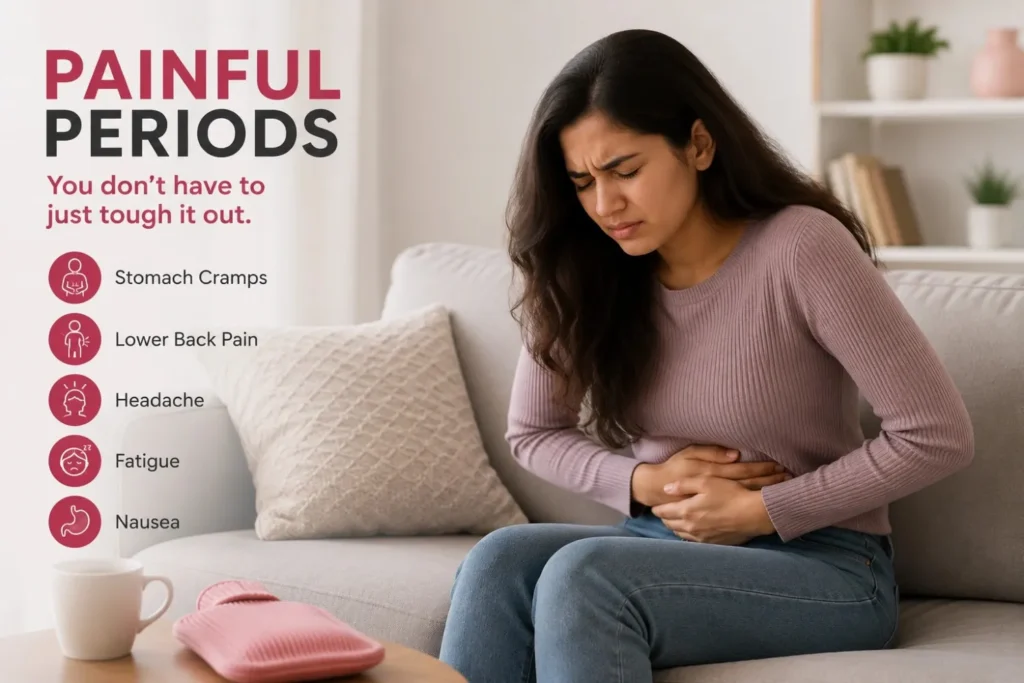
Discover Effective Period Cramp Relief at Well Women Clinic
Types of Heavy Painful Periods
Primary Dysmenorrhea:
Menstrual cramps that recur to each period cycle but are not linked to any other medical condition are referred to as primary dysmenorrhea. Usually, the pain begins when the bleeding begins or a day or two before menstruation. Pain can be modest to severe and typically affects the back, thighs, or lower abdomen. The pain often reduces within two to three days. Primary dysmenorrhea is the more prevalent form of menstrual pain.Secondary Dysmenorrhea:
Secondary dysmenorrhea results when a disease or infection in the reproductive organs is suspected as the cause of heavy, painful periods. It is characterised by pain that begins earlier in the menstrual cycle and lasts longer than primary dysmenorrhea. For instance, Cramping can start days before menstruation and continue until bleeding stops. Although secondary dysmenorrhea is less prevalent, it should still be taken seriously since it might point to a more severe health concern. Find effective period pain treatments and period cramp relief at clinics like Well Women Clinic London. Don’t let menstrual pain and heavy, painful periods impact your daily routine. Seek effective treatment and support for your menstrual health.Causes & Symptoms Of Dysmenorrhea
Causes Of Dysmenorrhe
Primary Dysmenorrhea:
- Painful periods are mainly caused by higher levels of prostaglandins in the uterus.
- Prostaglandins cause contractions in the uterus, leading to pain by reducing blood supply.
Secondary Dysmenorrhea:
- Fibroids: Heavy, painful period might be caused by uterine noncancerous growths.
- Endometriosis: Where uterine lining cells grow outside the uterus, causing intense pain.
- Pelvic Inflammatory Disease (PID): An infection affecting the uterus, fallopian tubes, and sometimes ovaries.
- Adenomyosis: Occurs when uterine lining glands grow into the uterine walls, causing enlargement and painful periods.
- Contraceptive-Induced: Furthermore, secondary dysmenorrhea may result from an intrauterine device (IUD) based on copper, although these symptoms go away. For persistent symptoms, switching to a hormone-releasing intrauterine system (IUS) or trying other contraception methods may help.
When looking into the causes of heavy and painful periods, uterine polyps deserve attention. Polyps are small, soft growths on the inner lining of the womb. They are almost always benign but can cause heavier periods, bleeding between cycles, and cramping. Polyps are often found during a pelvic ultrasound and can be removed during a hysteroscopy — a procedure where a thin telescope is passed into the womb cavity. This is usually done under local anaesthetic and is a highly effective treatment for period problems linked to polyps.
Adenomyosis a condition where the lining of the womb grows into the muscular wall of the uterus is another cause that is often missed. It causes the womb to enlarge and leads to extremely painful, heavy periods with cramping that can extend into the lower back. It is different from endometriosis, though the two conditions can occur together.
Symptoms Of Dysmenorrhe
Primary Dysmenorrhea Symptoms:
- Cramping pain in the lower abdomen, which can extend to the lower back and thighs
- Occurs a few days before and/or during menstruation, typically subsides at the end of the period
Additional symptoms may include:
- Nausea or vomiting
- Diarrhoea
- Tiredness
- Bloating
- Emotional symptoms
- Headache or light-headedness
Secondary Dysmenorrhea Symptoms:
Alongside cramping pain, a feeling of heaviness in the abdomen and back pain may be present
Additional symptoms may include:
- Bleeding in-between periods
- Unusual vaginal discharge
- Heavy or irregular periods
- Pain during intercourse, possibly accompanied by post-coital bleeding
Heavy periods do not only disrupt your daily routine — they can also affect your long-term health if left untreated. One of the most common consequences of heavy menstrual bleeding is iron deficiency anaemia. When the body loses more blood than it can replace, iron stores fall. This results in fatigue, breathlessness, difficulty concentrating, and pale skin. Many women living with menstrual disorders in London and across the UK do not connect their ongoing tiredness to their periods, which is why a proper diagnosis matters.
A full blood count and thyroid function test are often recommended as part of the workup for heavy painful periods. Thyroid conditions, particularly hypothyroidism, are a frequently overlooked cause of heavy menstrual bleeding. Identifying and treating this underlying issue can bring significant relief without any gynaecological intervention at all.
Book Your Consultation with Our Private Gynaecologist
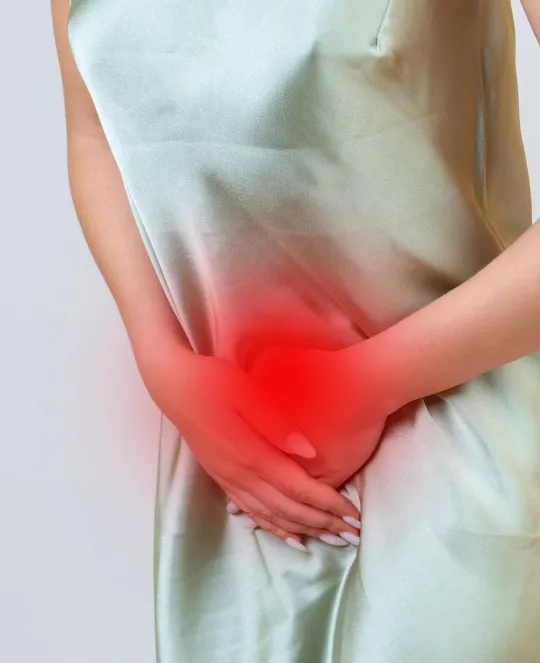
Diagnosis and Evaluation of Period Pain
Effective management of period pain begins with thorough diagnosis and evaluation. When you visit your GP, they’ll inquire about your symptoms and how they affect your daily life. A review of your medical history will also be conducted.
For younger individuals without sexual activity suspected of primary dysmenorrhea, a tummy examination may suffice. However, for those sexually active or suspected of secondary dysmenorrhea, a vaginal exam may be necessary.
Your doctor will check for abnormalities in your cervix and womb using gloves and lubricant during gentle vaginal palpation. Simultaneously, they may press on the lower abdomen and use a speculum for cervical examination. You can request someone to accompany you during this procedure for comfort.
Your GP might recommend additional tests, such as:
- Blood tests for conditions like anaemia.
- Swab to detect vaginal infections.
- Ultrasound scans, either abdominal or transvaginal, to visualise the womb.
If symptoms persist or become severe, referral to a gynaecologist may be necessary. Specialised tests such as laparoscopy, MRI scans, or hysteroscopy might be advised to explore further.

Effective Period Pain Treatment
Medications
Hormonal Contraception
Surgery
Complementary Therapies
Tranexamic Acid for Heavy Periods: What to Expect
One of the most commonly prescribed treatments for heavy menstrual bleeding is tranexamic acid. It works by helping blood clot more effectively, reducing the volume of menstrual flow by up to 50% in some women. Unlike hormonal treatments, tranexamic acid does not affect ovulation or fertility, making it a suitable option for women who are trying to conceive.
Tranexamic acid is taken during the first few days of the period when bleeding is at its heaviest. It is not a painkiller for painful periods, it is often used alongside mefenamic acid, an anti-inflammatory that also reduces uterine cramping. Most women tolerate both medications well. If you have been managing period pain with standard over-the-counter painkillers without much success, a private gynaecologist in London can advise on whether prescription options like tranexamic acid are appropriate for you.
The Mirena Coil as a Long-Term Treatment for Menorrhagia
For women who experience severe period pain or very heavy periods on a recurring basis or irregular periods, the Mirena coil (levonorgestrel intrauterine system) is one of the most effective long-term options available. It releases a small amount of progestogen locally into the womb, which thins the lining and significantly reduces both bleeding and pain over time. Many women find their periods become much lighter or stop altogether within the first six to twelve months of use.
The Mirena coil is particularly useful for women with adenomyosis, fibroids, or endometriosis, where hormonal management is part of the long-term plan. It is a reversible option, and fertility returns quickly after removal. At Well Women Clinic, coil fitting is offered as a separate service, and Mr Nilesh Agarwal can advise whether this approach fits your specific diagnosis and circumstances.
Book Your Consultation with Our Private Gynaecologist

When should you consult a doctor for Period Pain Treatment?
- The pain interferes with your ability to carry out your usual daily tasks.
- Your pain persists for longer than 2 days despite using hormonal contraceptives or pain relief medications.
- You encounter pain associated with an intrauterine device (IUD).
- You develop new or worsening pain symptoms.
- You experience discomfort during bowel movements or sexual intercourse.
- You experience pelvic discomfort that occurs outside of your usual menstrual cycle.
Managing Severe Period Pain at Home
While specialist treatment is important for persistent or debilitating period pain, certain approaches can help ease discomfort between consultations. These are not substitutes for medical care, but they can make a meaningful difference to day-to-day quality of life.
Heat therapy remains one of the most effective first steps. A hot water bottle or heating pad applied to the lower abdomen helps relax the uterine muscle and reduce cramping. A warm bath can offer similar relief.
Anti-inflammatory foods can play a supporting role. Foods rich in omega-3 fatty acids — such as oily fish, flaxseeds, and walnuts — help reduce systemic inflammation, which can make period cramps worse. Cutting back on processed foods, excess sugar, and caffeine during your cycle may also reduce bloating and pain.
Magnesium is increasingly recognised for its role in muscle relaxation. Almonds, spinach, and bananas are good dietary sources. Some women find magnesium supplements particularly helpful for reducing the intensity of cramping.
Gentle movement can counterintuitively help during painful periods. Light yoga, stretching, or walking promotes blood flow and encourages the release of endorphins — the body’s natural pain-relief response. You should not push through intense exercise if you are in significant pain, but remaining completely sedentary often makes cramping feel worse.
TENS machines (transcutaneous electrical nerve stimulation) are small handheld devices that deliver mild electrical pulses through the skin. They are widely available without prescription and can provide meaningful relief from menstrual cramps without medication.
When to See a Specialist for Menstrual Disorders in London
Many women delay seeking help because heavy or painful periods have been normalised either by family members, or by a healthcare provider dismissing symptoms as “just bad periods.” The reality is that debilitating period pain is not something you should have to accept.
You should arrange a consultation with a private gynaecologist in London if:
- You need to change sanitary protection every hour or more frequently
- You are passing blood clots larger than a 50p coin
- Your period lasts longer than seven days
- Period pain stops you from working, studying, or carrying out daily tasks
- You experience pain during sex, on bowel movements, or outside of your menstrual cycle
- Symptoms of anaemia — such as persistent fatigue or breathlessness are present
- Standard pain relief has stopped working
Heavy and painful periods that disrupt your life are a medical issue, not a fact of life. Effective treatment for heavy painful periods in London is available, and early diagnosis leads to better outcomes.
Why Choose Well Women Clinic for Period Care?
Specialised Services
Focusing on women's health, we offer services for period cramps, heavy periods, and more.
Personalised Care
Our experienced healthcare professionals provide personalised care, addressing your individual needs with empathy and expertise.
Transparent Pricing
We believe in transparency and honesty. Our pricing structure is clear, with no hidden fees, ensuring you know exactly what to expect.
Cutting-Edge Facilities
We offer top-notch and safe healthcare services for women, using advanced technology.
Convenient Appointment Booking
Swift access to reproductive healthcare is essential. We offer same-day appointment booking options for your convenience.
Our Insurance Approved Consultant